

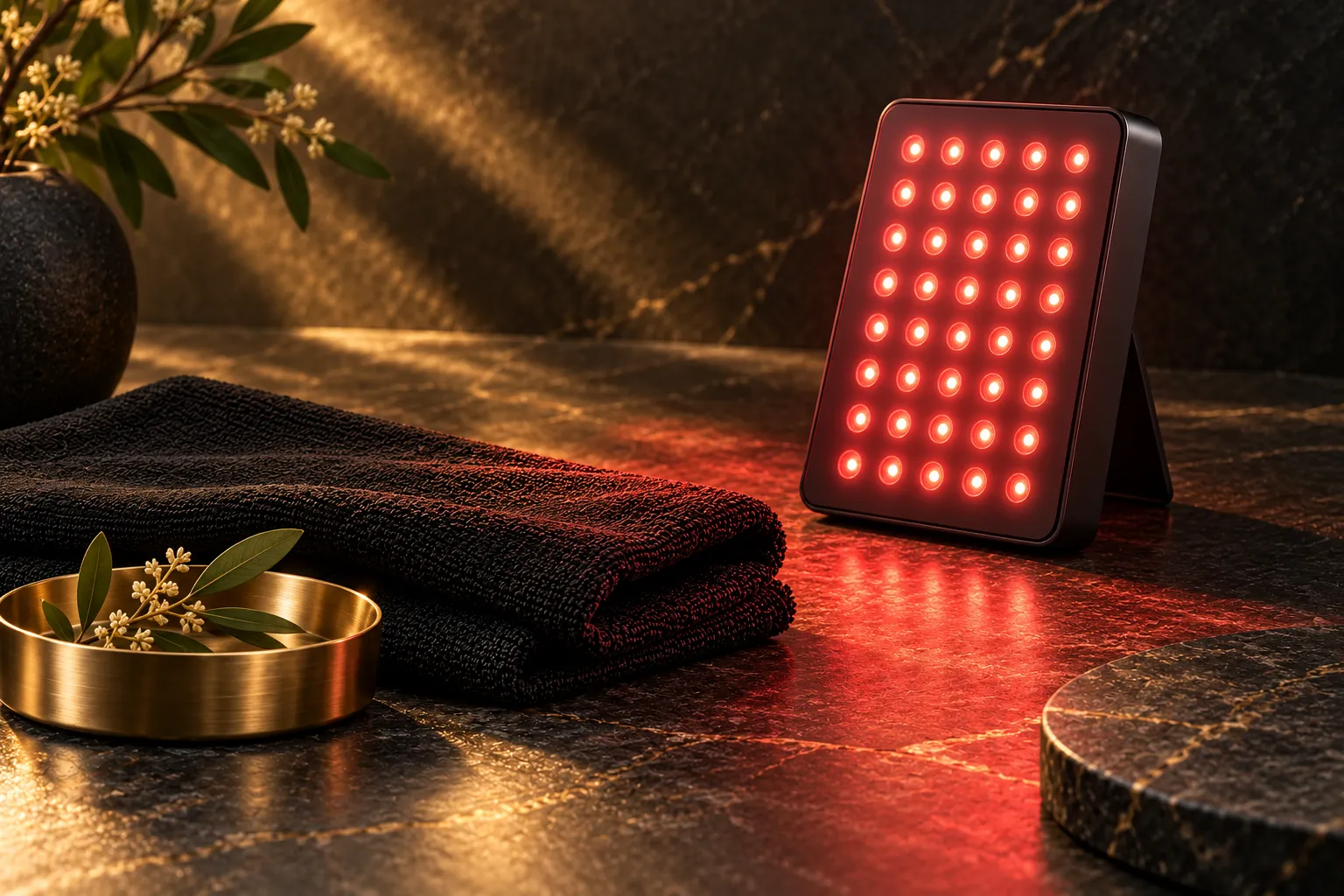
Red-light therapy has promising research for some signs of skin aging, but the evidence does not establish the same benefit for every device or person. A useful decision starts with your specific skin concern, the equipment being proposed and a realistic plan for assessing the experience.
The American Academy of Dermatology explains that red or near-infrared light is used in photobiomodulation. Some studies suggest improvements in fine lines, roughness and other signs of facial aging. Studies use different devices and schedules, making results difficult to compare. More research is needed, and results are not universal.
What does a skin benefit mean to you?
Before comparing treatments, name one concern in your own words. “My skin feels rough” gives a consultation a more useful starting point than “I want every red-light benefit.” If you have several concerns, rank them rather than treating them as one problem.
Then ask what the proposed service is intended to address. Would the plan focus on a visible feature, the treatment experience or something else? Keeping that answer specific helps you evaluate the recommendation without relying on a long list of possible uses.
Cleveland Clinic’s red-light overview describes an emerging field with limitations in the research and recommends professional assessment of skin concerns. A treatment being studied for a purpose does not mean every advertised use has been established.
Match the evidence to the equipment and purpose
When someone mentions a study, ask what was actually tested. You can use three questions:
- Purpose: Was the study looking at the same concern I have?
- Equipment: Was it testing the same device and treatment setup?
- Plan: Does the proposed schedule resemble what was studied?
These questions help identify what still needs explanation. You do not have to judge a research paper yourself. Ask the provider to explain how the evidence relates to the recommendation and where the comparison ends.
A service name alone does not supply that connection. Ask for the equipment name and its intended use. If a regulatory clearance is mentioned, ask which device and indication it covers. Keep those details separate from broad statements about red light as a category.
At Viva Cryo, you can discuss Ideal Light red-light therapy alongside your skin goals. Ask which equipment would be used, what the proposed sessions are intended to address and how the plan would fit your routine.
Discuss suitability and protection before a session
The AAD notes that light-sensitive conditions or medications can affect suitability. It also highlights pigmentation concerns for darker skin tones, possible irritation or mild discomfort, and uncertainty about long-term effects. Follow the specific device’s eye-protection instructions, including using recommended goggles when required. These points are covered in its red-light safety guidance.
Ask who can answer medical questions raised by your history and what must be resolved before proceeding. Bring your current product and medication information rather than assuming that an existing skincare routine is compatible. Do not stop prescribed treatment on your own.
Choose a plan you can evaluate
Before purchasing a series, ask how the provider would decide whether the plan remains useful. Write down the intended goal, when you would review it and the total time and spending discussed. Ask how follow-up would work if you were disappointed or developed a concern.
If photographs are part of the discussion, agree on a consistent comparison method. Also tell the provider about other skincare treatments you are using or considering. That creates a clearer account of the plan than trying several new things without recording them.
For body goals, ask a separate question about contouring expectations. Facial skin research does not by itself answer a question about weight loss; our body-contouring and weight-loss comparison explains the different starting points.
Use the consultation checklist to organize your questions, then book a consultation when you are ready to discuss Ideal Light. Bring one clear priority and leave space for the practical details that determine whether the service fits your plans.